

During supply chain operations, “what should businesses consider when using logistics services?” is a critical question that helps optimize transportation efficiency and minimize potential risks. Choosing the right partner, processes, and logistics solutions directly impacts costs and delivery timelines.
1. Choose a Reputable Logistics Provider
Businesses should prioritize logistics providers with extensive experience, stable operational capacity, and professional management systems. A reliable provider will have clear processes from cargo receipt to final delivery. This helps minimize risks such as loss, damage, or delays. In addition, reputable providers often have extensive international partner networks, helping optimize transportation costs. This is a key factor determining the overall efficiency of the logistics chain. In practice, selecting the right logistics provider can significantly reduce operational risks and costs.
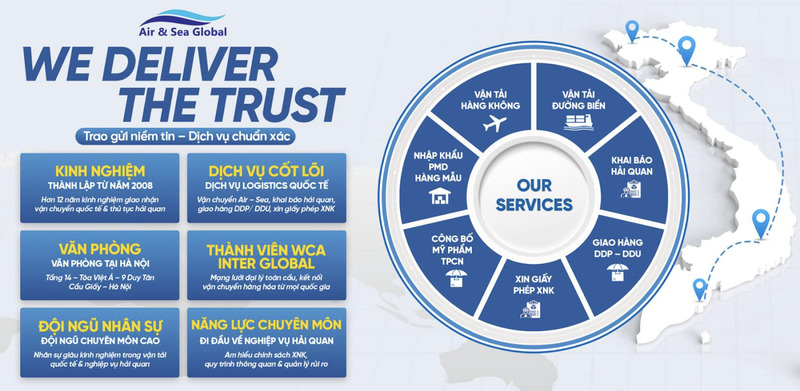
Among them, Air & Sea Global is a provider of comprehensive international logistics services, meeting diverse transportation needs of businesses. With a global partner network and professional operations, Air & Sea Global ensures optimal time and cost efficiency for each shipment. The company offers full support, including customs declaration, sea freight – air freight and door-to-door delivery. Flexible solutions enable businesses to stay proactive in all import-export plans. This makes it a reliable choice for companies seeking to optimize their international supply chains.
>>> See more: Reliable and comprehensive international logistics services by Air & Sea Global
2. Understand Types of Logistics Services
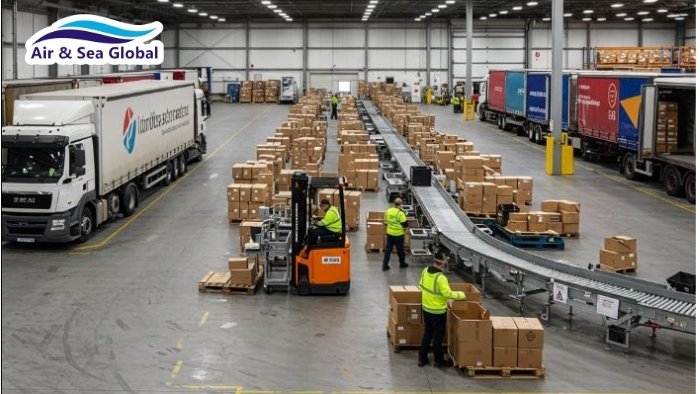
Businesses need to clearly understand different types of services, such as international transportation, warehousing, customs declaration, and domestic delivery. Each type has different processes, costs, and handling times. Proper understanding helps businesses choose solutions that match the actual needs of each shipment, while avoiding unnecessary services that lead to additional costs. This helps prevent unnecessary expenses and optimize operational efficiency.
3. Prepare Complete Cargo Documentation
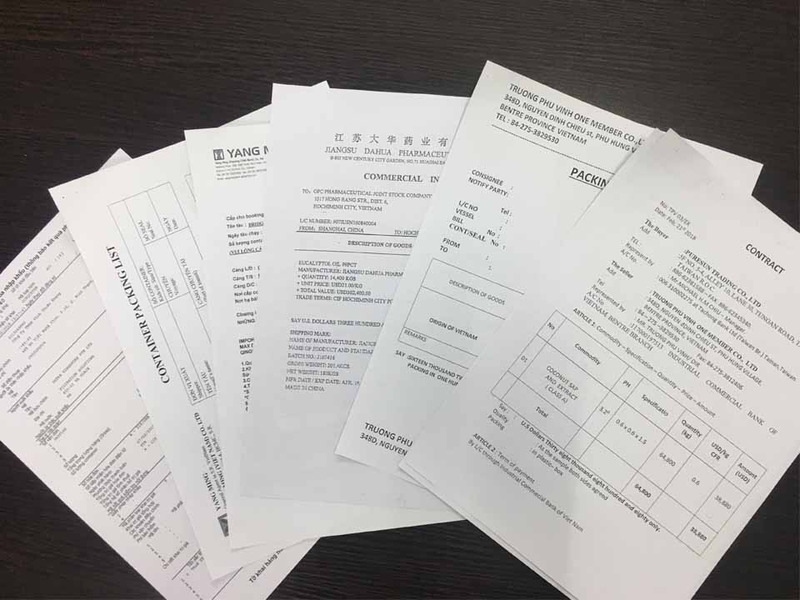
Documentation is a mandatory element in all logistics activities, especially international transportation. Businesses need to prepare full sets of documents, including commercial invoices, packing lists, bills of lading, and relevant customs documents. Information on documents must be accurate and consistent to avoid errors during inspection. In many cases, discrepancies in documentation can result in shipments being held for physical inspection. Therefore, document control is extremely important.
4. Optimize Transportation Methods
Businesses need to choose suitable transportation methods such as sea freight, air freight, or international road transport. Each method has its own advantages in terms of cost, speed, and cargo capacity. Selecting the right option helps balance budget and delivery timelines, while ensuring goods arrive safely and on schedule. This is a factor that directly affects both cost and delivery performance.
5. Control Logistics Costs
Logistics costs include various components such as transportation, warehousing, customs procedures, and other additional charges. Businesses need to monitor each cost item in detail to avoid exceeding the planned budget. Effective cost control helps optimize profits and reduce operational waste. At the same time, processes should be regularly reviewed to identify more cost-saving solutions. This helps maintain budget control and stable operational efficiency.

6. Track Shipment Progress
Tracking shipment routes helps businesses accurately monitor delivery progress. Modern tracking systems allow real-time updates on shipment status, such as delays, schedule changes, or issues arising at ports. Regular monitoring also improves transparency in the supply chain. This is an essential tool in modern logistics management.
7. Manage and Mitigate Logistics Risks
Logistics operations always involve risks such as damage, loss, or delivery delays. Businesses should have contingency plans and choose appropriate cargo insurance. At the same time, they should establish clear incident-handling procedures to minimize losses when issues arise. Effective risk management helps ensure more stable transportation operations. This is a key factor in maintaining a safe and efficient supply chain.
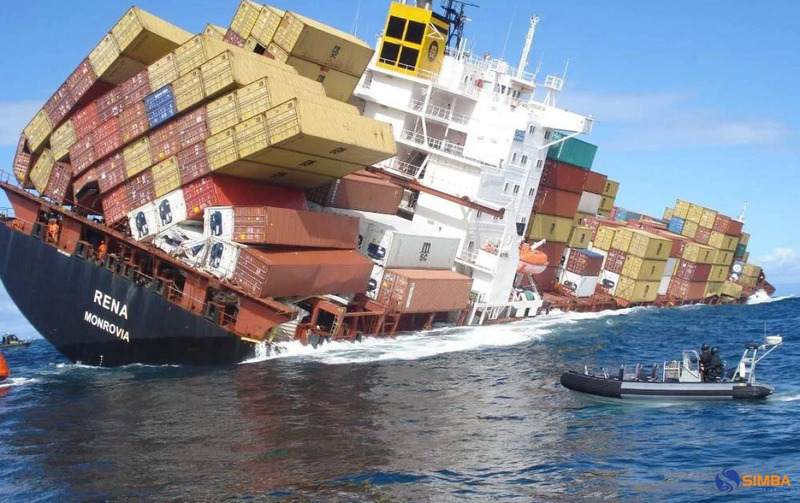
In summary, understanding key considerations when using logistics services helps businesses optimize costs, minimize risks, and improve supply chain efficiency. This is an important factor in ensuring goods are transported safely, on schedule, and sustainably over the long term. Contact Air & Sea Global today for consultation on comprehensive and suitable logistics solutions for your business.
Contact Information
- Website: https://airandseaglobal.vn/
- 14th Floor, Viet A Building, 09 Duy Tan, Cau Giay, Hanoi
- Phone: 083 619 9669
- Email: marketing@asglobal.vn
Frequently Asked Questions
What factors should businesses prioritize when choosing a logistics provider?
Businesses should prioritize experience, operational capacity, order tracking systems, and problem-solving capability. These factors ensure goods are transported safely and on schedule.
Why is it important to prepare documentation carefully in logistics?
Complete and accurate documentation helps ensure smooth customs clearance, avoiding shipment holds or unnecessary additional costs. This is a mandatory requirement in international transportation.
Which transportation method should businesses choose?
Depending on the type of goods, budget, and delivery timeline, businesses can choose sea freight, air freight, or road transport. Choosing the right method helps optimize both cost and efficiency.
How can logistics costs be effectively controlled?
Businesses need to monitor each cost component such as transportation, warehousing, and customs, while optimizing shipping routes to avoid waste.
Is cargo insurance necessary when using logistics services?
Yes. Cargo insurance helps minimize risks in cases of loss, damage, or unexpected incidents during transportation.